







Silver Strand State Beach
0 Reviews
Hello everyone! This is a friendly reminder that any of these fun places we may visit, we are a guest at. Please treat both businesses and trails with the utmost respect. We here at Hidden San Diego follow the 'Leave no Trace' mantra, meaning whatever you bring with you comes back with you. If you see trash on a trail, please do your part to help remove it. Remember, we are not picking up trash from another person but instead cleaning up for Mother Nature. Happy adventures!
5000 Highway 75
Coronado, CA 92118
(619) 435-5184
32.65220121952, -117.15065508
Dog-Friendly: Yes Kid-Friendly: Yes
Make sure to check out our list of Hidden Gems in Coronado for the ultimate day trip!
About Silver Strand State Beach
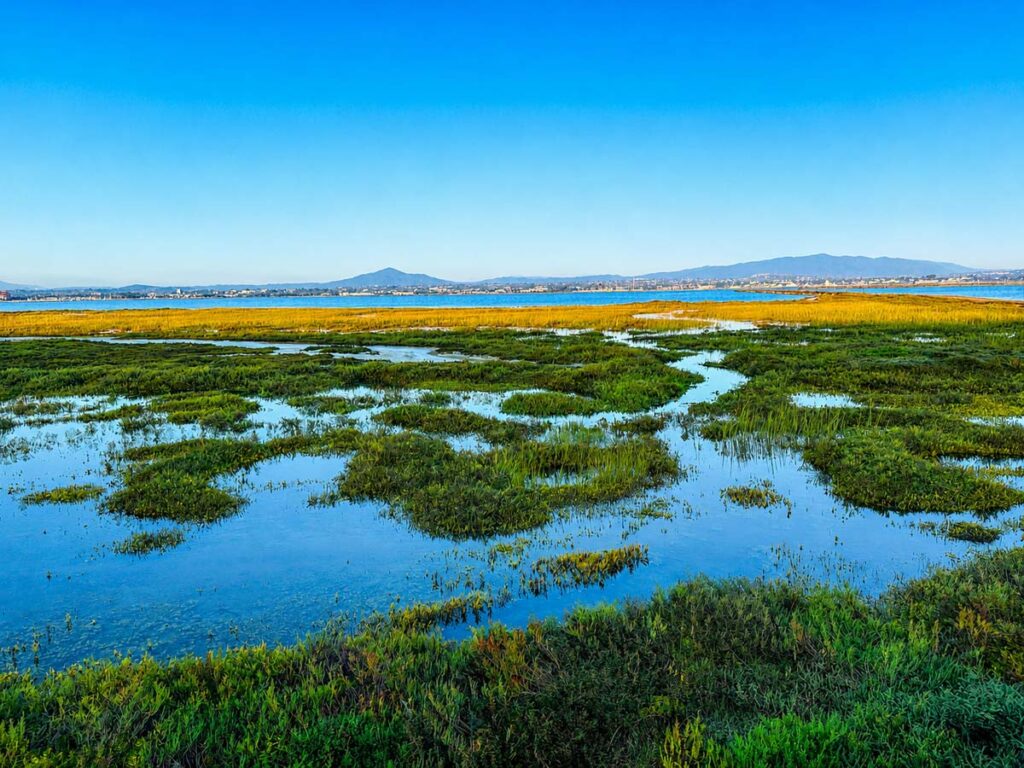
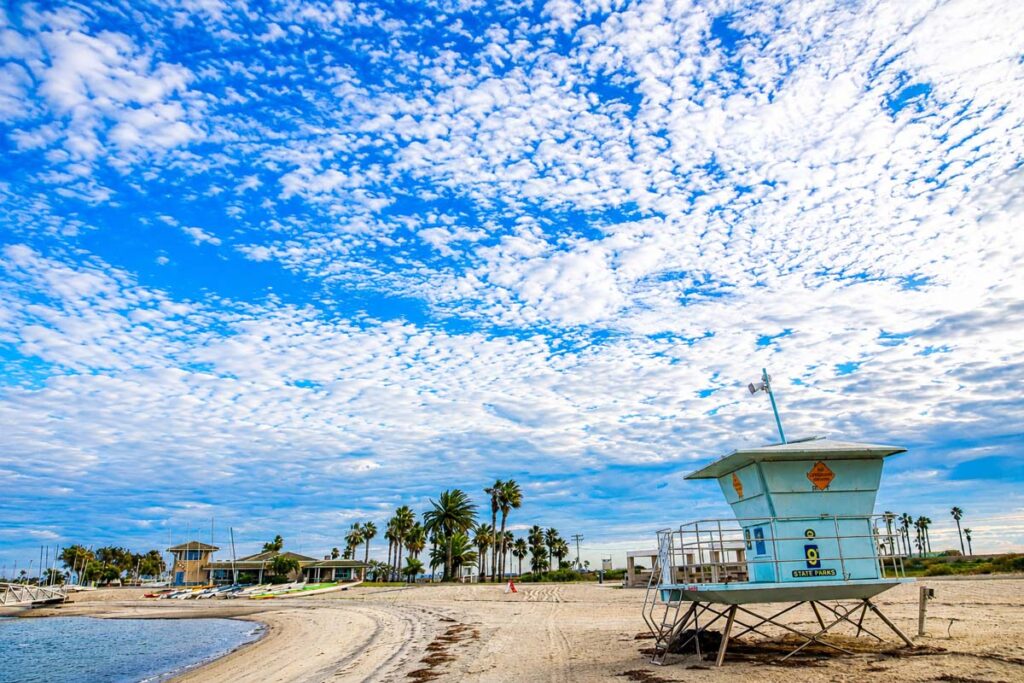
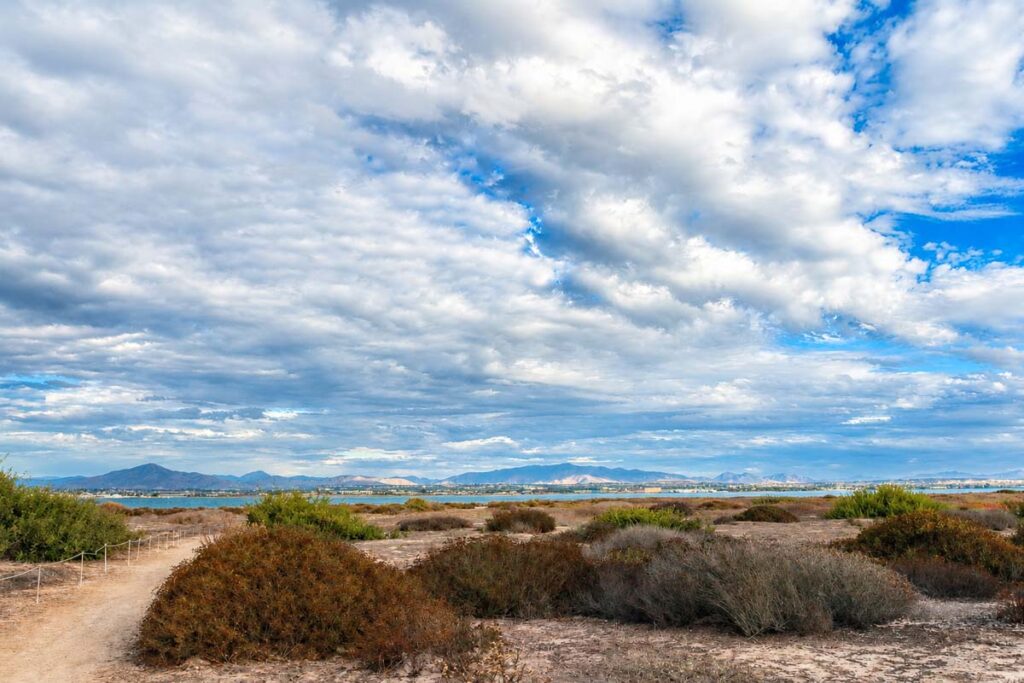
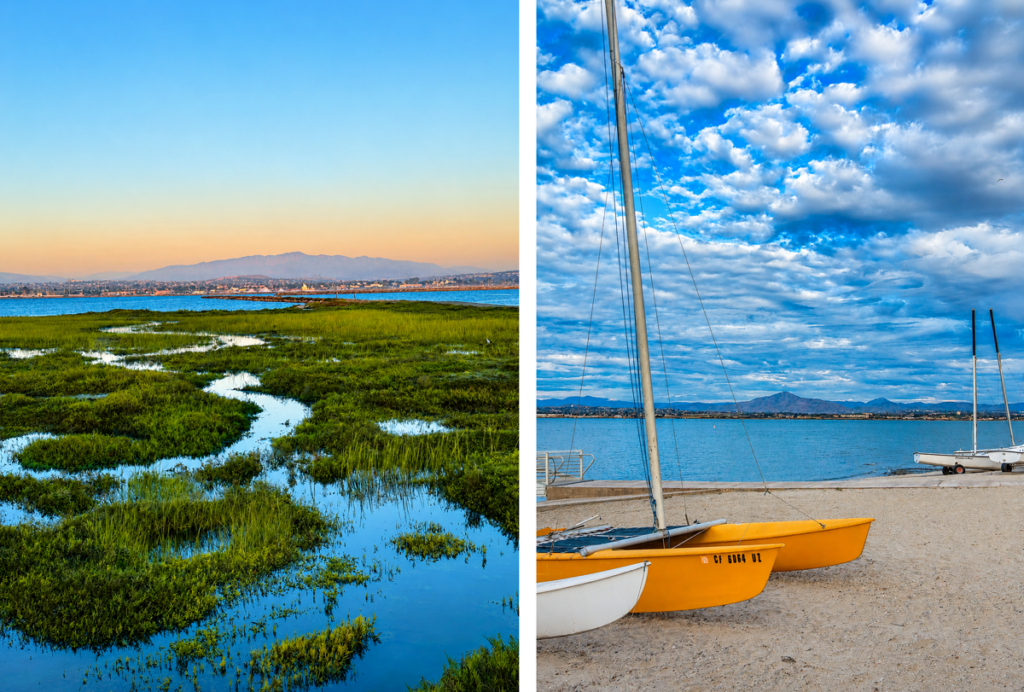
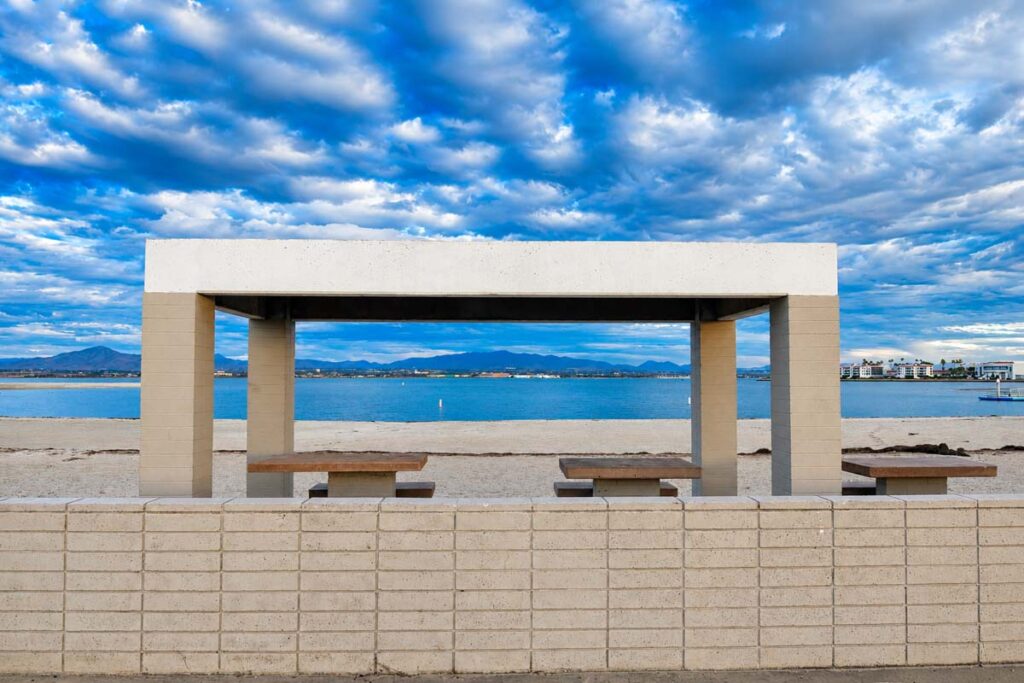
The Silver Strand State Beach is one of Southern California’s most unique coastal parks. Stretching along the narrow sandbar that connects Coronado to Imperial Beach, it also separates the Pacific Ocean from the San Diego Bay. 
This is a popular strip for bikers but just as easily be enjoyed on a leisurely walk and stopping off at one of the beaches. This is one of the few places in California where visitors can access both the Pacific Ocean and San Diego Bay within a short walk.
Take a neighborhood walk in Coronado while you’re out here!
Although many people simply drive across it on Highway 75, the Strand has a fascinating history that helped shape Coronado itself.
The History of Silver Strand
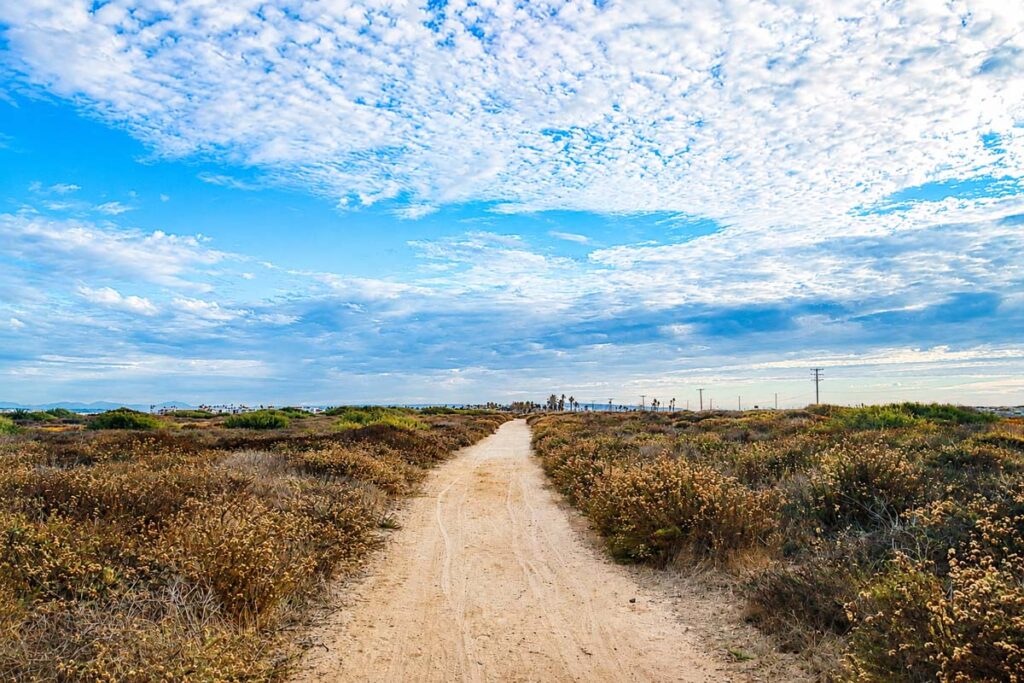
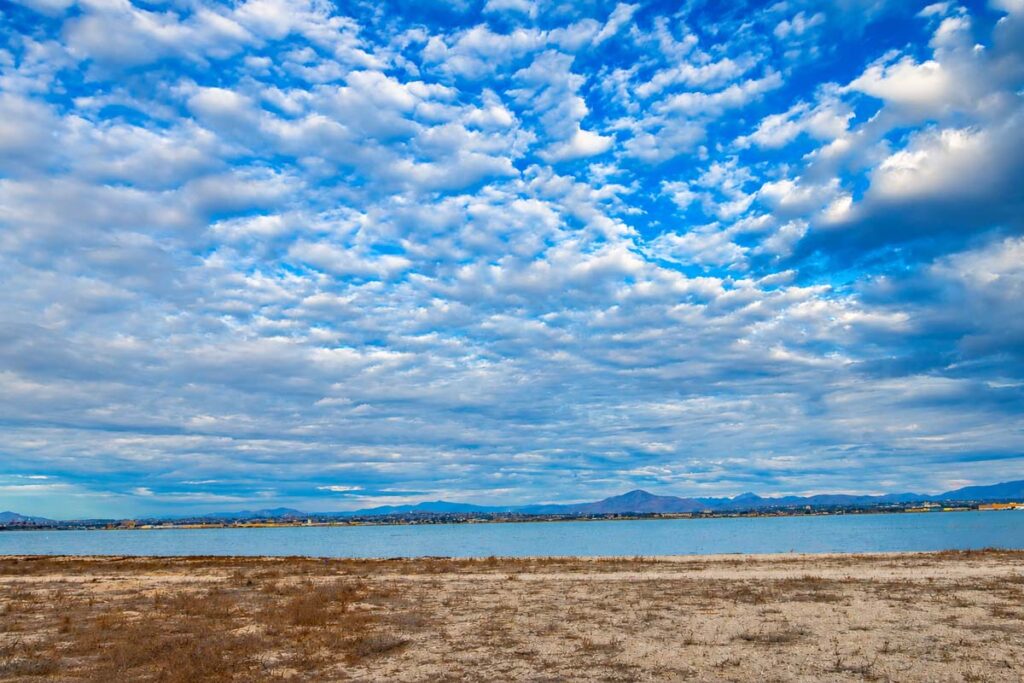
The Silver Strand is a natural sand spit that formed over thousands of years as waves and currents deposited sand between what is now Coronado and the mainland. Before modern development, it was an isolated stretch of dunes, wetlands, and tidal flats frequented by the Kumeyaay for fishing, shellfish gathering, and travel.
The Hotel del Coronado Era (1880s)
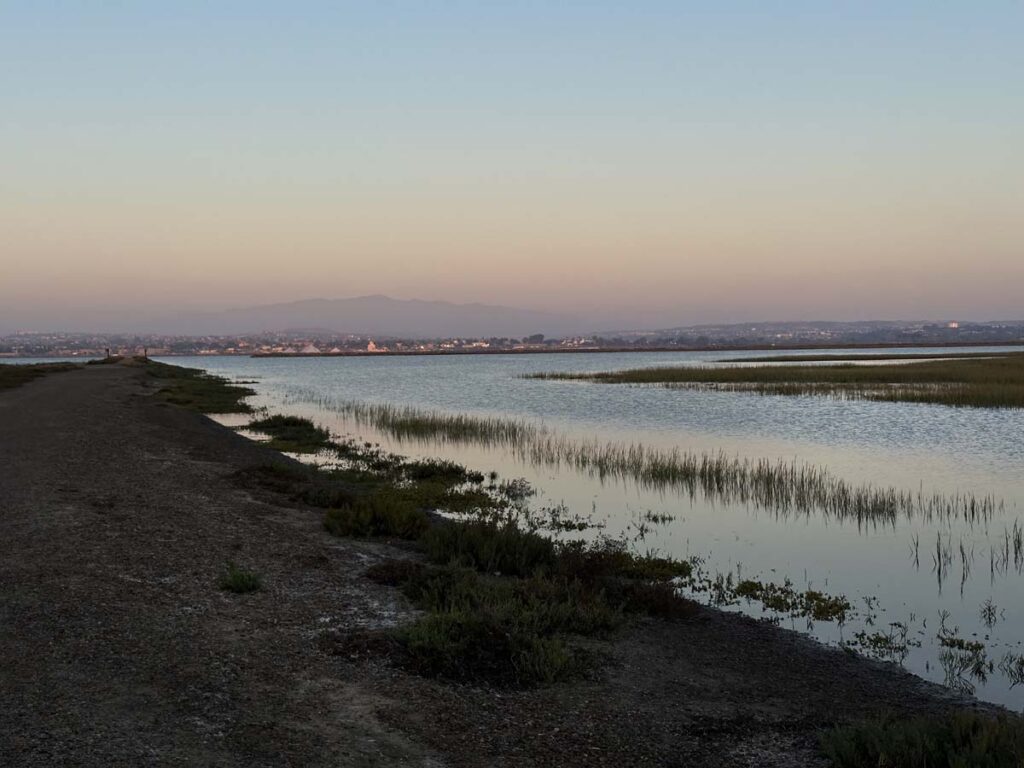
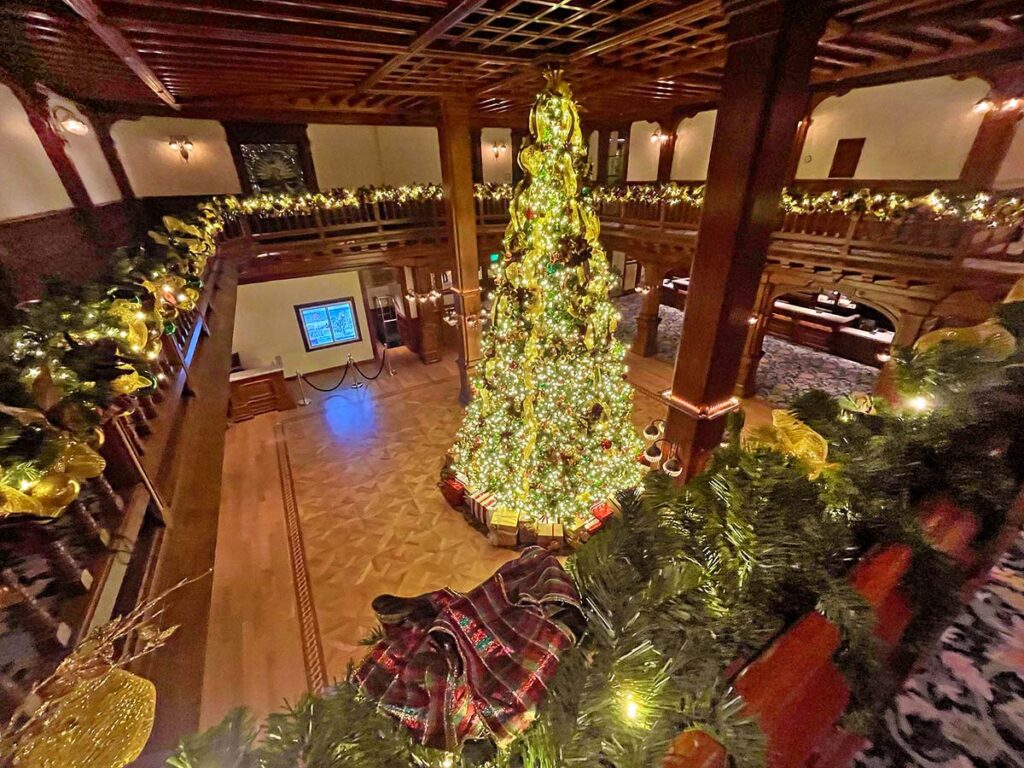
When developers began building the famous Hotel del Coronado in the 1880s, the Silver Strand suddenly became valuable. Some notable early uses included a brickyard located roughly halfway down the Strand produced bricks used in constructing the Hotel del Coronado. The nearby Brickyard Cove still preserves that history in its name.
In 1885, developers graded one of the first roads across the Strand to attract buyers to Coronado. By 1889, the Coronado Railroad Company built a steam railway that carried tourists between the hotel, Coronado, Imperial Beach, National City, and San Diego. The railroad also hauled freight and even the hotel’s garbage to a nearby hog farm that supplied produce and livestock back to the hotel.
 Becoming a State Park
Following the collapse of the Southern California land boom, ownership passed to the Spreckels family. In 1931, the Spreckels companies donated much of the land that would become Silver Strand State Beach to California. The park officially opened in 1936, creating one of California’s earliest coastal state parks. Before construction, a number of squatters lived on portions of the Strand and were displaced when the park was developed. 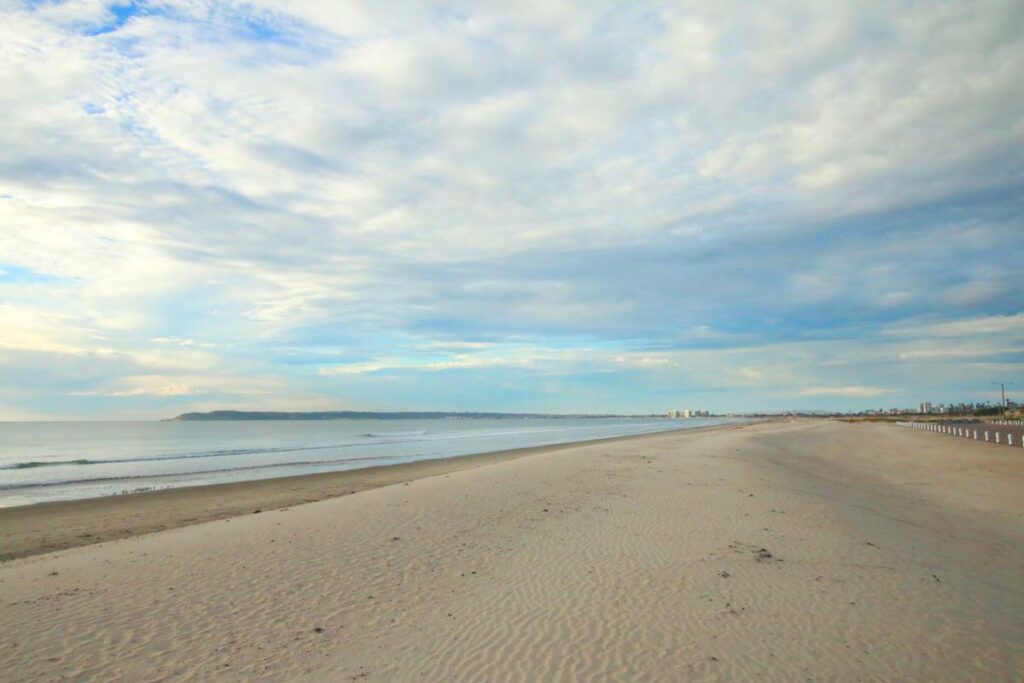
Highway 75 and Military Growth
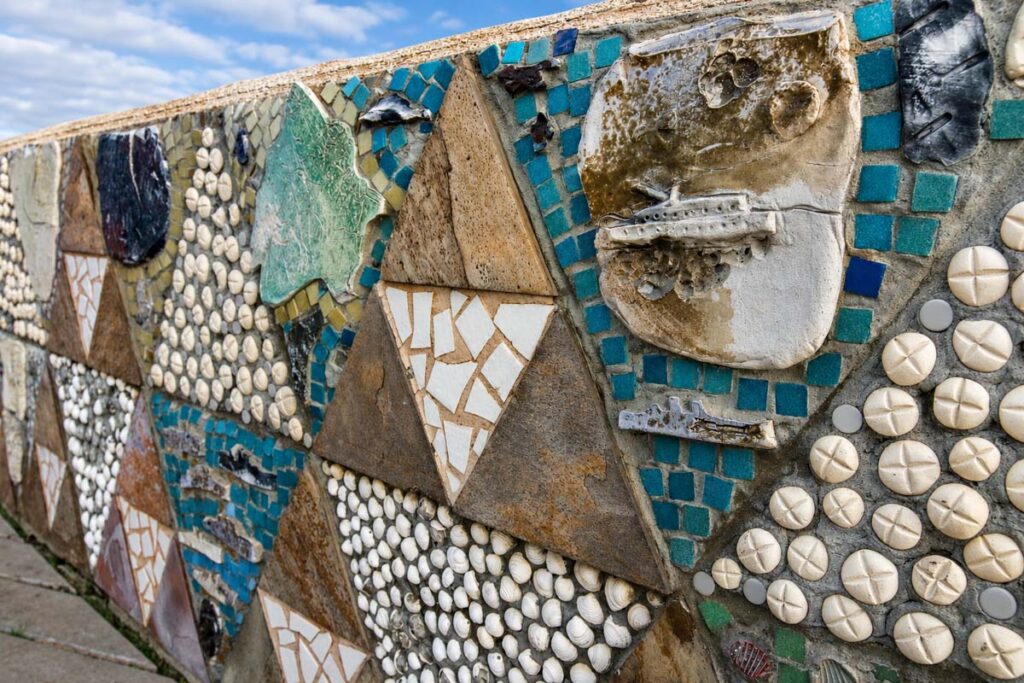
Originally, travel across the Strand was slow and difficult.In 1924, a concrete roadway replaced the primitive road. After World War II, the road evolved into today’s Highway 75. The Silver Strand was officially annexed into the City of Coronado in 1949. During and after WWII, nearby Naval Amphibious Base Coronado expanded dramatically. Housing for Navy families was built along the Strand, followed by Silver Strand Elementary School in 1965. 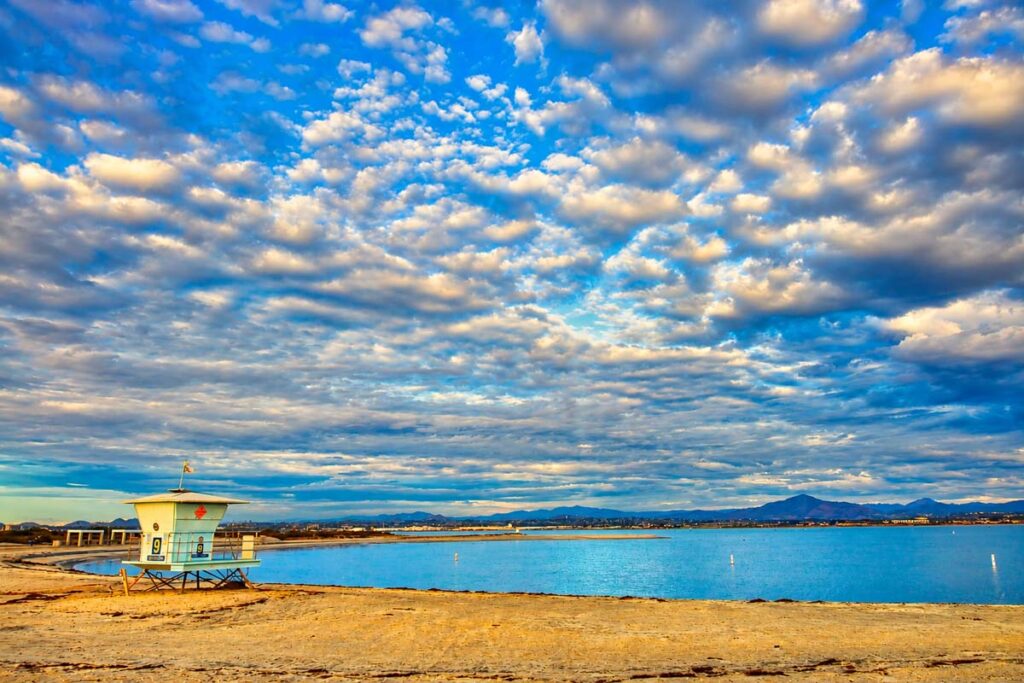
Today
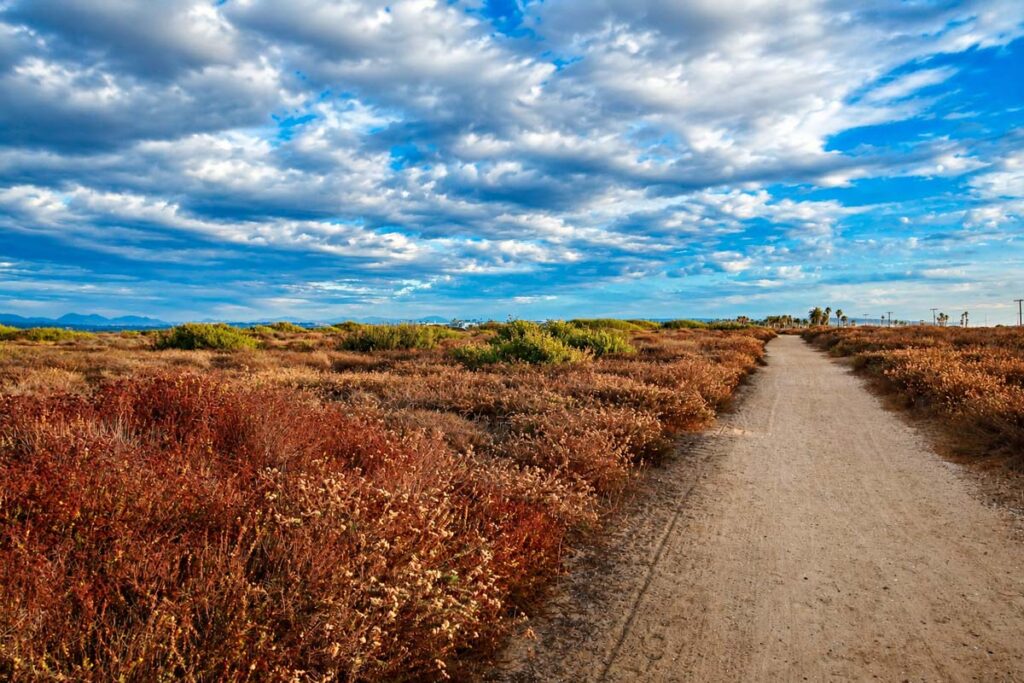
Today, it is one of San Diego County’s very popular recreational parks. Recreational activities include: swimming, surfing, paddle-boarding, kayaking, bird-watching, fishing, beach-combing, picnicking, beach volleyball, RV camping right alongside the beach and more!
The park contains approximately 2.5 miles of ocean shoreline and ½ mile of bay frontage, along with large day-use parking areas and a popular beachfront campground. 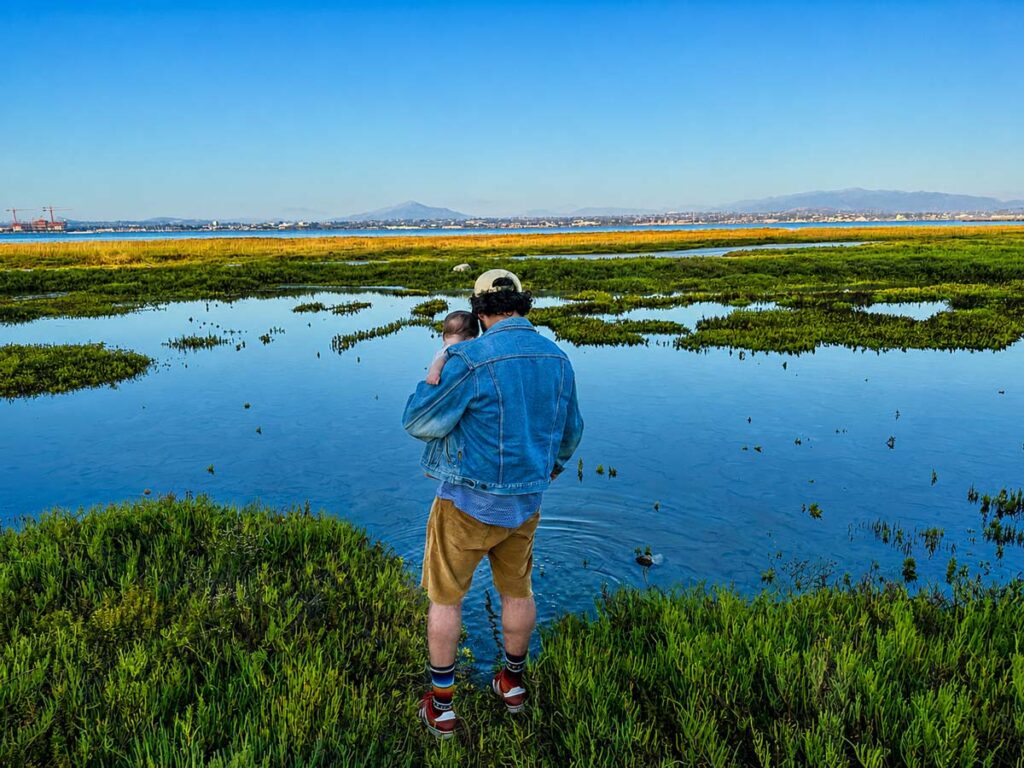
Wildlife
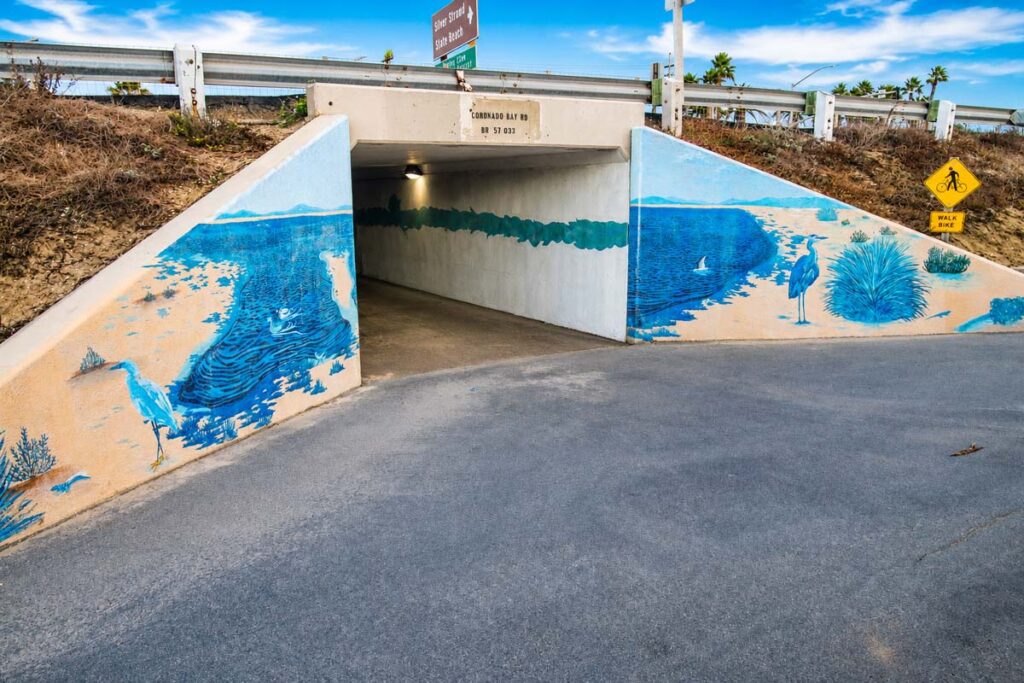
Because the Strand lies along the Pacific Flyway, it serves as an important stopover for migratory birds. Common wildlife includes: Snowy egrets, Great blue herons, Brown pelicans, Royal terns, Ospreys, Marbled godwits, Willets, California least terns (seasonally), Harbor seals (occasionally offshore), Dolphins frequently visible beyond the surf.